Healthcare providers face a marketing challenge that most industries don't: nearly every tool designed to help you grow your practice — CRMs, email platforms, chatbots, ad tracking pixels — has the potential to put you in violation of HIPAA if it's not implemented correctly.
The consequences of getting this wrong are serious. HIPAA fines range from $100 to $50,000 per violation, with annual maximums reaching $1.9 million per category. Beyond the financial risk, a publicized breach can devastate the patient trust your practice has spent years building.
This isn't meant to scare you away from digital marketing — it's meant to help you do it right.
What Is PHI and Why Does It Matter for Marketing?
Protected Health Information (PHI) is any data that can be used to identify a patient and relates to their health condition, care, or payment. In a marketing context, PHI becomes relevant the moment you combine identifiable information with health-related behavior.
This creates more exposure than most providers realize. Examples of accidental PHI in marketing systems include:
- Website analytics that track which service pages a known patient visits
- Email open data that reveals a patient received a message about a specific treatment
- CRM records that link contact information to appointment history or diagnosis codes
- Retargeting pixels that create advertising audiences from patient portal visitors
- Chatbot logs that store health-related questions alongside identifying information
"In 2023, the HHS Office for Civil Rights clarified that tracking technologies on healthcare websites — including Meta Pixel and Google Analytics — may constitute HIPAA violations when they transmit PHI to third parties without authorization."
The Standard CRM Problem
Most popular CRM platforms — Salesforce, HubSpot, Zoho, ActiveCampaign — are built for general business use. They can be powerful tools for healthcare marketing, but they require specific configuration and signed Business Associate Agreements (BAAs) to be used compliantly.
Many healthcare providers are using these tools without BAAs in place, or with configurations that inadvertently expose PHI. The risk isn't hypothetical: OCR audits have increased, and breach reporting requirements mean that even accidental exposures can trigger investigations.
Email Marketing and SMS: Compliant Approaches
Email and SMS are highly effective patient communication channels, but they require careful implementation:
- Use only HIPAA-compliant email platforms that offer signed BAAs and encrypted transmission
- Avoid referencing specific health conditions, treatments, or medications in subject lines or preview text, which are visible without authentication
- Obtain explicit authorization from patients before communicating about their care via email or text
- Implement proper opt-out mechanisms and honor them immediately
Appointment reminders, practice news, and general wellness content can typically be sent with fewer restrictions than clinical communications — but the line requires careful navigation.
Chatbots and AI Automation: Built Compliant From Day One
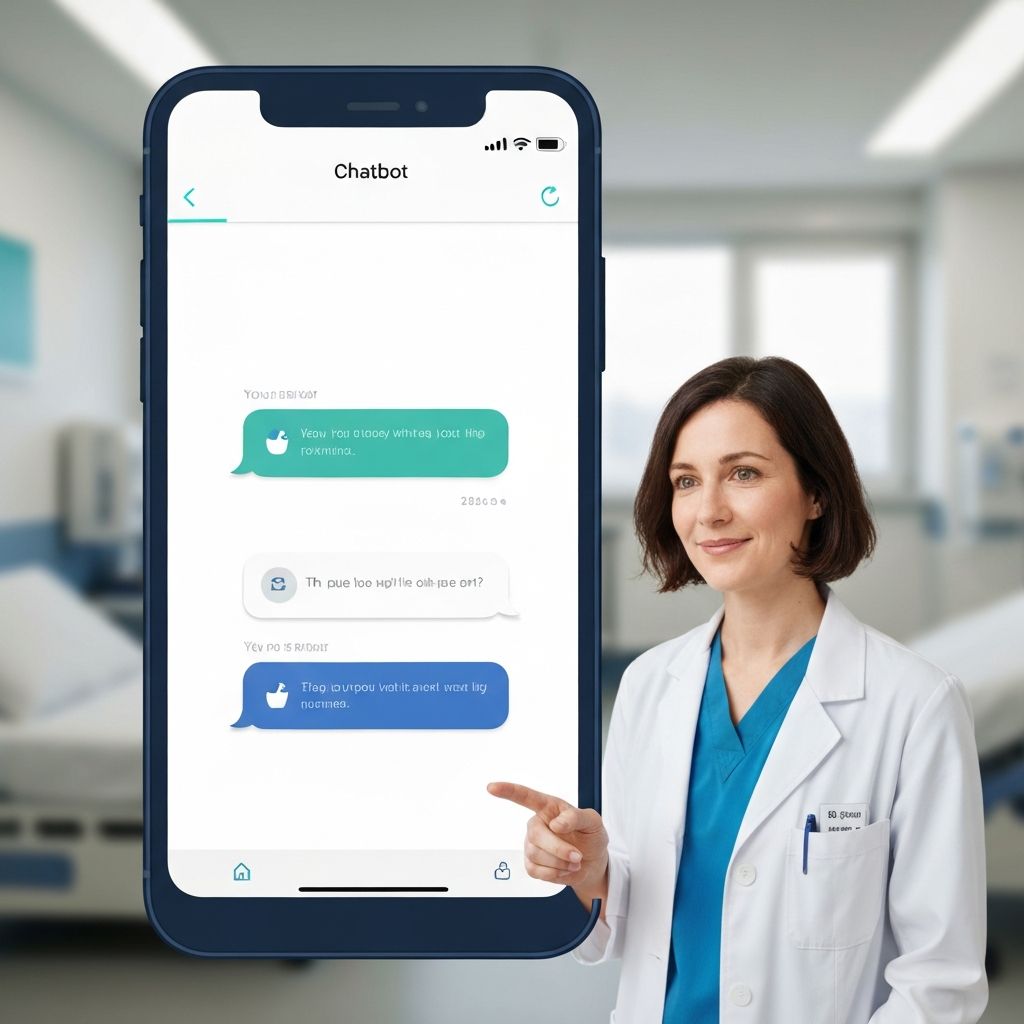
AI chatbots are transforming patient communication, but they represent a significant compliance risk when deployed without healthcare-specific safeguards. A chatbot that collects patient names, appointment preferences, symptoms, or insurance information is handling PHI — full stop.
Compliant chatbot implementations require:
- End-to-end encryption for all patient conversations
- BAAs with every vendor in the technology stack
- Data retention and deletion policies that comply with HIPAA requirements
- Role-based access controls limiting who can view conversation logs
- Audit trails documenting data access and handling
At ClinicDigital.co, we build every AI automation workflow specifically for healthcare, with compliance architecture built in — not bolted on afterward.
Ad Tracking: A Growing Area of Risk
Running Facebook or Google ads for your practice is both effective and legally complex. The pixels and tracking tags that power ad optimization can capture and transmit data about website visitors — including patients researching services — to Meta and Google's servers.
The safest approach is to implement server-side tracking (rather than browser-based pixels) with proper filtering to strip PHI before any data leaves your environment. This allows you to run effective advertising campaigns while maintaining compliance.
What Compliant Healthcare Marketing Looks Like
A properly architected healthcare marketing system has several characteristics:
- Every third-party vendor that may handle PHI has a signed BAA
- Data collection is minimized — only what's necessary for the stated purpose
- Patient communications use compliant platforms with proper encryption
- Advertising campaigns use privacy-safe tracking methodologies
- Staff are trained on PHI handling and the practice has documented policies
This isn't out of reach for independent practices and med spas. It requires choosing the right technology partners and configuring your systems properly from the start.
Partner With an Agency That Builds HIPAA-Right
Many digital marketing agencies serve healthcare clients without deeply understanding HIPAA requirements. ClinicDigital.co is different. Compliance isn't a checkbox for us — it's a core differentiator. Every system we build for healthcare clients is designed to grow your practice without exposing you to regulatory risk.
Book a call with our team to review your current marketing stack and identify any exposure. It's one of the most valuable conversations a healthcare provider can have.