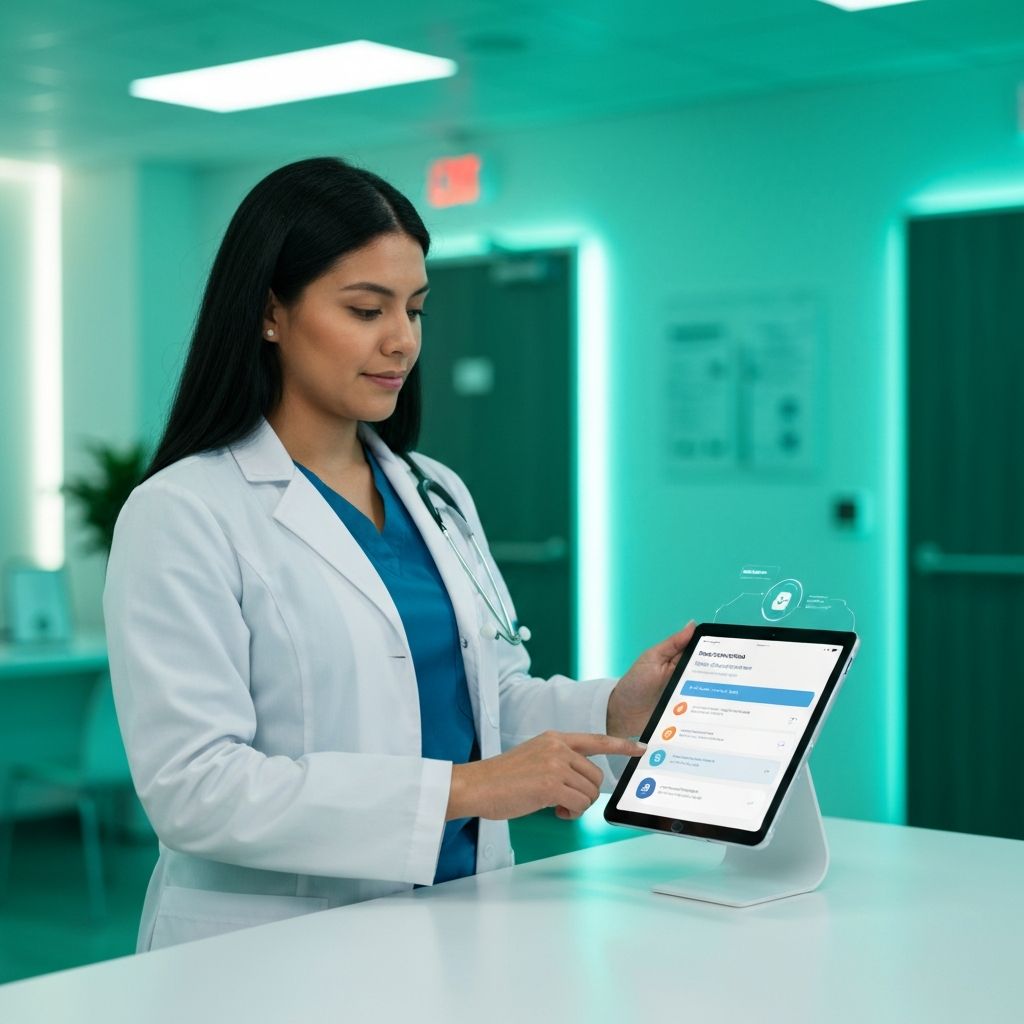
The healthcare landscape has undergone a dramatic transformation, and 2026 marks a pivotal moment where artificial intelligence has moved from experimental to essential. For medical practices, med spas, and healthcare providers, AI is fundamentally reshaping how we connect with and care for our patients.
The New Standard of Patient Expectations
Today's patients expect the same responsiveness and personalization they receive from their favorite retail brands. They want instant answers at 11 PM, text confirmations, and personalized follow-up care. Traditional patient engagement methods can't keep pace—but AI can.
Real-Time, 24/7 Patient Communication
AI-powered chatbots and virtual assistants are no longer seen as impersonal—when implemented correctly, they're helpful, efficient, and incredibly responsive. Modern healthcare AI systems answer common questions instantly, schedule appointments autonomously, provide pre-visit instructions that reduce no-shows, and send personalized post-visit follow-ups that encourage treatment adherence.
The result? Patients feel more supported, and your staff can focus on high-value interactions that truly require a human touch.
Hyper-Personalized Patient Journeys
In 2026, AI enables true personalization at scale. By analyzing patient data while maintaining HIPAA compliance, AI systems tailor every interaction to the individual. Med spas send procedure-specific recovery instructions, dental practices provide personalized oral health tips, and primary care offices deliver customized medication reminders and health guidance.
This level of personalization was once impossible to achieve manually. Now, it's the new baseline for patient satisfaction.
Proactive Engagement That Prevents Issues
The most powerful shift is from reactive to proactive patient engagement. AI systems identify patients at risk of missing appointments or abandoning treatment plans and intervene before problems occur. They automatically reach out to patients who haven't scheduled recommended follow-ups, send medication adherence reminders, and flag concerning symptoms for staff review.
This proactive approach improves patient outcomes while reducing costly no-shows and increasing treatment completion rates.
Streamlined Administrative Workflows
Behind-the-scenes efficiency gains are equally transformative. AI automates intelligent forms that reduce data entry errors, insurance verification that happens before appointments, smart routing that directs inquiries instantly, and automated review requests sent at optimal times to build your online reputation.
These efficiency gains free your team to focus on providing exceptional patient care.
Voice AI and Remote Monitoring
Voice-based AI interactions are increasingly sophisticated—patients can call and speak naturally with AI assistants that handle scheduling and basic intake. Combined with data from wearables and medical devices, AI enables continuous engagement between visits, chronic disease alerts, and ongoing wellness coaching that extends care beyond the treatment room.
AI with a Human Touch
Despite technological advances, patients still value human connection. The most successful AI implementations augment human care rather than replace it—eliminating friction and busy work so that patient interactions with your team are meaningful, unhurried, and focused on what matters most.
Measurable Impact on Practice Growth
Practices embracing AI-powered patient engagement see concrete results: 40-60% reduction in no-shows, 3-4x increase in positive reviews, 25-35% improvement in patient reactivation, and 50-70% reduction in administrative task time. These translate directly to increased revenue, better outcomes, and sustainable growth.
Looking Ahead
Emerging trends include predictive analytics for patient lifetime value, multimodal AI analyzing text, images, and voice for nuanced interactions, advanced language models explaining complex medical information clearly, and integration with virtual reality for enhanced patient education and telemedicine.
Making the Transition
For practices that haven't embraced AI-powered patient engagement, 2026 is the year to begin. The technology is mature and proven. Start with clear goals, choose healthcare-specific solutions, prioritize HIPAA compliance, implement gradually with staff training, and continuously measure and optimize results.
Patient engagement has evolved from periodic newsletters to sophisticated AI-driven systems providing personalized, proactive, always-on support. Practices that embrace this transformation are setting new standards for quality healthcare experiences.
The question isn't whether AI will reshape patient engagement in your practice—it already is. The question is whether you'll lead this transformation or follow it.
Ready to transform your patient engagement with healthcare-specific AI? ClinicDigital.co specializes in HIPAA-compliant AI automation designed for medical practices, med spas, and healthcare providers. Our proven systems have helped practices achieve 3.5x patient growth with 92% client retention. Let's discuss how AI can work for your practice.